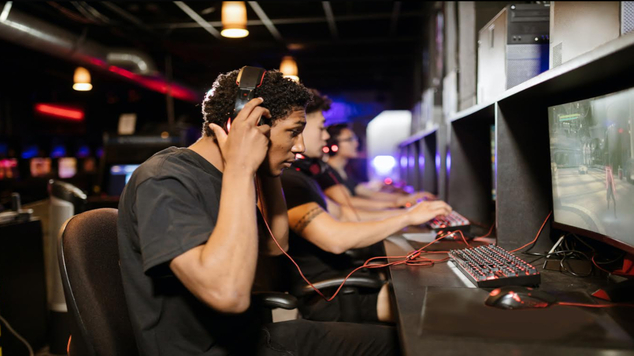
How Online Gaming Communities Help People Stay Connected During Long Recoveries

Recovery often brings an unexpected challenge that extends beyond physical healing: isolation. People recovering from cancer treatment, major surgery, spinal injuries, organ transplants, or other long-term medical conditions may spend weeks or even months away from work, school, hobbies, and social activities.
Frequent hospital visits, fatigue, weakened immunity, or limited mobility can make it difficult to meet friends or participate in everyday routines. Over time, that loss of regular social interaction can leave people feeling disconnected, even when they remain in contact with family. Online gaming has quietly become one way to bridge that gap. Multiplayer games, voice chat, and online communities allow people to stay connected, share experiences, and maintain friendships regardless of physical limitations.
While games cannot replace real-world relationships or professional care, they can provide meaningful social interaction during periods when leaving home or meeting others is difficult. Here’s how:
Gaming Communities Create Routine and Connection
Many online games encourage players to log in regularly for team activities, seasonal events, or cooperative challenges. These shared routines help maintain a sense of normalcy during recovery, giving players something to look forward to each day.
For someone spending weeks or months at home, joining friends for an evening gaming session can provide valuable social interaction that might otherwise be missing. Conversations often extend far beyond the game itself, helping players stay involved in each other's lives despite physical distance.
Shared Interests Help Reduce Feelings of Isolation
Strong friendships often begin with shared interests, and online games create opportunities for people from different backgrounds to connect over common goals. Whether completing raids, building virtual worlds, or competing in strategy or story games, teamwork naturally encourages communication and collaboration.
Research published by the American Psychological Association has found that meaningful social connections play an important role in supporting mental well-being, particularly during stressful life events. While gaming is only one way to maintain those connections, it has become an increasingly accessible option for people whose mobility or daily routines have temporarily changed.
Online Support Extends Beyond the Game
Serious illnesses often affect far more than physical health. Cancer treatment, for example, may involve repeated hospital appointments, extended recovery periods, and side effects such as fatigue that make social activities more difficult. During these periods, many people rely on both personal support networks and trusted educational resources to help them navigate unfamiliar challenges.
Individuals and families affected by asbestos-related diseases may also seek information from organizations such as Mesothelioma Hope, while continuing to stay connected with friends through online gaming communities. Reliable medical information and meaningful social interaction serve different purposes, but together they can help people feel better supported throughout a difficult recovery.
Balance Remains Important
Gaming offers meaningful social benefits, but it works best as one part of a broader support system. Healthcare professionals often encourage recovering patients to maintain contact with family and friends, participate in hobbies when possible, and gradually resume everyday activities as their condition improves.
For many people, online gaming complements those efforts by providing a connection on days when leaving home simply is not realistic. Used thoughtfully, it can reduce feelings of isolation while helping friendships continue despite life's unexpected challenges.
Endnote
Long recoveries often reshape daily life in ways that go beyond physical health. Time away from familiar routines can leave people feeling isolated, even when they have strong support from family. Online gaming communities cannot replace medical care or in-person relationships, but they can provide a valuable sense of connection during difficult periods.
To read the latest guides, news, and features you can visit our Other Game Page.