
Gaming Did Not Get Bigger by Staying Inside the Game
A modern game session can begin before the software opens. A player checks a patch note, watches a creator explain a new build, reads a Discord thread, claims an account reward and only then enters the game. After play, the same session may continue as a clip, a ranking discussion or a marketplace decision. The product is no longer just the executable file.
The audience is large enough to support that system. The Entertainment Software Association reported in June 2026 that 212 million Americans ages 5 to 90 play video games at least one hour per week. U.S. consumer spending on video games reached a revised $60.8 billion in 2025, with $52.4 billion spent on content. The structural shift is where that spending and attention now live: across mobile devices, subscriptions, persistent accounts and services between sessions.
The Box Became an Account
Buying a game used to create a clear transaction: pay once, install it, play it. The one-time purchase model still exists, while much of online entertainment now revolves around an identity that persists. The account stores progress, friends, purchases, preferences, achievements and sometimes access across several devices.
Persistence changes product design. A developer can update a live game after launch, run timed events, adjust matchmaking or add content without asking the player to buy a completely new title. For the player, the benefit is continuity. The risk for the product team is that every update becomes part of an ongoing service promise rather than a one-time release.
Mobile Changed the Length of a “Session”
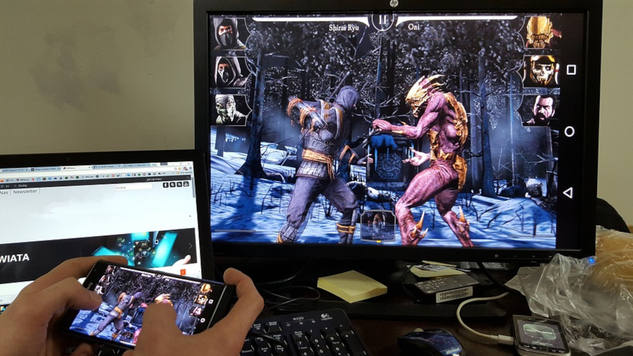
ESA’s 2025 market data found that mobile was used by 82% of U.S. players age 8 and older. A phone encourages a different rhythm from a console. Five minutes in a queue, 20 minutes on a commute and a longer evening session can all belong to the same entertainment habit.
Good mobile design therefore does not merely shrink a desktop or console interface. It prioritizes fast loading, readable touch targets, resumable tasks and clear account state. The strongest products understand interruption. A player should know what was completed, what remains and whether leaving for an hour changes anything important.
Watching Became Part of Playing
Games now compete and cooperate with video platforms at the same time. YouTube’s 2026 strategy letter says Shorts average 200 billion daily views, while the platform mixes long-form video, livestreams, music, podcasts and short clips on the same service. Gaming fits naturally into that environment because a single match can become a tutorial, reaction, highlight or live broadcast.
The loop works both ways. A player can discover a title through a creator before seeing its store page, while a difficult boss or competitive strategy can send that player back to video for help. Watching is no longer necessarily what happens instead of playing. Video often keeps the game present between sessions.
Chance-Based Games Run on a Different Engine
Online entertainment uses many of the same interface patterns even when the underlying mechanics are completely different. Progress bars, animations, sound cues and account histories may look familiar, but a casino online title built around random outcomes is not a skill-based match or a progression game. The UK Gambling Commission requires RNG outcomes to be acceptably random and describes RTP as a theoretical average measured across a large volume of play. A short session can therefore finish far above or below the stated percentage, and previous outcomes do not create a predictable sequence for the next round. Reading the rules, paytable and volatility is more useful than importing habits from competitive gaming.
Visual language can make unlike products feel similar, so the separation matters. A ranked ladder measures performance against opponents. An RNG-driven slot resolves outcomes through probability. The interface may borrow the same reward animation, while the math underneath is doing something else.
Real-Time Prices Create Another Interactive Layer
Live sports services add interactivity without turning the underlying event into a video game. A scoreboard updates, statistics refresh and prices react as new information enters the market. Someone using online betting during a match should distinguish what already happened from what the current odds imply about possible outcomes, because score, time remaining, player availability and market liquidity can all affect the number. A moving price is not a quest marker and does not guarantee what comes next. The price is a snapshot of a market responding to an event that remains uncertain.
Digital entertainment increasingly requires media literacy. Two screens can update every second while representing different systems: one records game state, another prices risk, and a third recommends a video.
The Competition Is for the Return Visit
The deepest change in gaming is not photorealistic graphics or faster hardware. It is the redesign of the interval between sessions. Notifications, creator clips, seasonal calendars, social groups, subscriptions and cross-device accounts all give a product ways to remain present after the player stops actively playing.
Retention therefore becomes a product question rather than a slogan. Useful services give people a reason to return because something changed: a friend is online, an update added content, a tournament started or a saved activity can continue. The less useful version simply adds more alerts. In a crowded entertainment market, the products that survive will be the ones that understand the difference.
To read the latest guides, news, and features you can visit our Other Game Page.