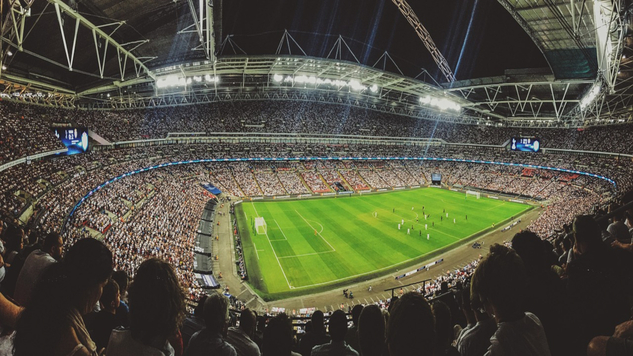
The Power of Sports Community: How Football Clubs Become More Than Games
A football match lasts ninety minutes. The emotional impact lasts a lifetime. This paradox defines the relationship between fans and clubs. On the surface, you're watching eleven athletes attempt to move a ball into a net more times than the opposing eleven. The stakes are trivial—it's entertainment. Yet for millions of people, their club provides meaning, identity, and community that few other institutions offer, experiences they often share and discuss on platforms like onjabet.
This isn't sentimentality. It's measurable psychology. Fans' mental health, sense of belonging, and social connection are genuinely affected by their club's performance and their participation in its community. For many supporters, the club provides belonging that family, work, or neighbourhood don't. Understanding why reveals something important about what humans need and what modern life too often fails to provide.
The Psychology of Belonging: Why Sports Clubs Fill a Real Need
Humans are profoundly social. We evolved in tribes. We need to belong to something larger than ourselves. We need shared purpose. We need identity. Modern life often leaves these needs unfulfilled. Work is transactional. Family relationships are dispersed across geography. Neighbourhoods are atomised. Religion has declined for many people. Traditional civic institutions have weakened.
Into this void steps the football club. It provides:
Immediate identity: You wear the colours. You're immediately part of a visible community. Your clothing announces who you are and what you belong to.
Shared purpose: Every supporter wants the same outcome. Every fan celebrates victories and grieves defeats together. This creates powerful bonding that transcends individual differences.
Regular gathering: Match days create scheduled moments when you see the same people, in the same place, engaged in the same ritual. This regularity builds real relationships.
Transgenerational meaning: Your club connects you to your parents, grandparents, and children. Wearing the same colours across generations creates continuity and meaning.
Narrative arc: Your season has beginnings, middles, and ends. There are heroes and villains, triumphs and tragedies. This narrative structure gives life shape that daily work often doesn't provide.
These aren't trivial psychological needs. Research shows that strong community ties correlate with better mental health, longer lifespan, and greater life satisfaction. The football club provides precisely the community structure that predicts wellbeing.
The Research: Evidence That Sports Communities Improve Mental Health
The intuition that "sports fandom is good for you" has been validated by rigorous research. Studies consistently show:
Fans with strong club identification have better mental health outcomes. During difficult times, the club community provides support and meaning that buffers against depression and isolation.
Match day attendance predicts better social connection and loneliness reduction. The simple act of showing up regularly, surrounded by community, improves measured wellbeing.
Long-term supporters develop genuine friendships through club attendance that persist beyond football. The club becomes a gateway to deeper social connection.
Geographic displacement—being separated from your club's location—increases loneliness and mental health challenges. Your club ties you to place and community in ways that matter.
Young people without strong family connection benefit dramatically from club community. The club becomes a source of belonging and stability.
None of this is accidental. Football clubs, at their best, deliberately build community. They create spaces where connection happens. They acknowledge supporters as members of a family. They build rituals and traditions that strengthen belonging.
The Club as Therapy: Mental Health Beyond Traditional Treatment
During periods of personal crisis—relationship breakdown, job loss, grief, illness—supporters report that their club community provided essential psychological support. Not through formal therapy, but through simple presence: seeing the same people, engaging in familiar rituals, being part of something larger than personal suffering.
This doesn't replace professional mental health support. It complements it. A person in crisis needs both clinical intervention and social belonging. Many clubs now explicitly acknowledge their mental health role. They've hired mental health professionals. They've created spaces for supporters to discuss struggle. They've recognised that community itself is therapeutic.
Some clubs have gone further, creating platforms where supporters can connect, discuss challenges, and support each other. These connections save lives. People find belonging, discover they're not alone, and develop resilience through community.
The Global Community: When Belonging Transcends Geography
Modern football clubs have global supporter communities. A fan in Asia, Europe, Africa, and North America can all be part of the same club family. They'll never gather in the same stadium, but they're connected through shared passion and identity.
This creates something unprecedented historically: global tribes bound by non-geographic commonality. You belong to your club regardless of where you live. This provides belonging to diaspora communities, to people far from home, to individuals seeking identity across geographic distance.
The psychological impact is significant. Isolated individuals find community. Displaced people find connection to place through shared club identity. Young people seeking belonging find it through club affiliation.
This works because the belonging is genuine. You're not pretending to care about your club's performance. You're authentically invested. That investment creates real relationships with others similarly invested.
The Risks: When Belonging Becomes Toxic
It's important to acknowledge that community can become destructive. Club tribalism can fuel violence. Exclusionary practices within fan communities can replicate the isolation it's supposed to remedy. Toxic fandom can poison the experience for others.
The healthiest club communities are those that deliberately counter toxicity. They welcome new members. They include diverse perspectives. They emphasise belonging over domination. They distinguish between passionate support and harmful behaviour.
The clubs doing this best report stronger communities, better mental health outcomes for supporters, and more sustainable supporter engagement. Building on inclusion rather than exclusion creates stronger bonds than building on opposition.
The Implication: We Need More Communities Like This
The fact that millions of people find their deepest sense of community in sports clubs reveals something important: modern life isn't providing the belonging humans need. Workplaces don't provide it. Neighbourhoods often don't. Families are dispersed.
Football clubs fill a void. They shouldn't have to be the only institution providing belonging. We need more communities intentionally built to provide what football clubs naturally offer: identity, shared purpose, regular gathering, transgenerational meaning, and genuine belonging.
For supporters reading this: recognise the value of your club community. Invest in it. Contribute to its health. Bring new members in. Challenge toxicity within it. Your club is more than sport. It's a genuine source of wellbeing.
For others: if your workplace, neighbourhood, or other institutions aren't providing belonging, seek it out. The club offers a proven model. The question is whether other institutions can learn to build community as effectively as football does.
Note on Community Wellbeing: Strong community ties significantly impact mental health. If you're experiencing isolation or loneliness, finding communities around shared interests—whether sports, hobbies, or values—can provide genuine psychological benefit. Professional mental health support remains important alongside community connection.
To read the latest guides, news, and features you can visit our
Other
Game Page.