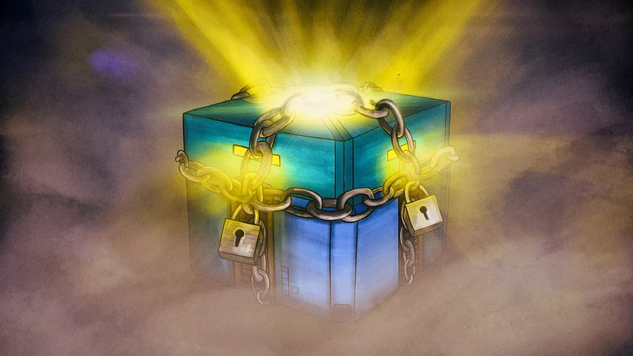
Why Layered Loot Keeps Players Hooked on Loot Runs and Spinning Reels
Anyone who has chained meta-events across the maps of Guild Wars 2 knows the pull of a good loot run. The squad rolls from one boss to the next, chests pop open, and every drop feeds the urge to keep moving toward the next big payoff. It's a rhythm built on layers: small wins stacked on bigger ones, each spin of the wheel hinting that something better might be one pull away. That same layered structure shows up far beyond MMOs, in everything from cascading slot reels to the broader world of digital entertainment that has grown around blockchain technology.
That last corner has expanded fast, and it's worth understanding what it actually looks like. A modern bitcoin online casino entry now sits inside a wider ecosystem of crypto-native gaming destinations, and there are live, on-chain rankings that sort the best ones for 2026 by hard data rather than marketing claims. These listings measure crypto casinos, Web3 sportsbooks, and prediction markets by metrics like 24-hour transaction volume, active wallets, and chain or token support, then weigh how transparent each one is about its inner workings. For a gamer who already obsesses over drop rates and patch notes, that kind of data-first ranking feels familiar. It also tracks new arrivals, token offers, and the shifting landscape of where these payout-driven games actually live.
The Anatomy of a Good Loot Run
What makes a loot run satisfying isn't just the final prize. It's the steady drip of smaller wins that keep a player invested long enough to reach the big one. In Guild Wars 2, a single Tequatl kill or a full Drizzlewood Coast cycle showers participants with a mix of common drops, rare materials, and the occasional jackpot — a precursor weapon or a coveted skin that might show up once in a hundred runs.
Game designers structure this deliberately. The early drops are predictable and frequent, which builds comfort. The rare ones are scarce and unpredictable, which builds anticipation. Anyone curious about how deep that system runs can browse the official Loot documentation, where the tables, rarities, and modifiers spell out exactly how the loot cascades. Reading those tables, a player starts to see the machinery underneath the fun — and it's the same machinery that powers a lot of digital entertainment.
Cascading Reels Run on the Same Engine
Slip over to a cascading slot reel and the structure looks almost identical. Instead of spinning once and stopping, winning symbols vanish and new ones tumble down to fill the gap, potentially triggering a fresh win on the same bet. One spin becomes a chain. A small match clears the board, drops in new symbols, lands another match, and suddenly a modest bet has stacked four or five payouts in a row.
That's the cascade effect, and it mirrors the loot-train rhythm perfectly. A Warzone player chasing a contract that leads to another contract, a Destiny 2 guardian running Nightfall strikes for a chance at an Adept weapon, a slot fan watching reels tumble — all three are riding the same loop. The structure pays off momentum. Each layer feels like progress, and progress is what keeps a session going far longer than anyone planned.
Why the Brain Loves a Layered Payoff
There's real science behind why these systems work, and it isn't just clever game design. Research into how the brain responds to uncertain, tiered payouts has found that scarce, high-value outcomes light up the brain's pleasure circuitry far more intensely than guaranteed ones. A study on how rare loot boxes trigger reward responses showed that the anticipation around an unpredictable big win drives a stronger urge to keep going — to open one more box, run one more lap, spin one more time.
That finding explains a lot. It's why a World of Warcraft player will grind the same raid boss for the hundredth time chasing a mount with a low drop chance. It's why the tumble of cascading reels feels hard to walk away from. The layered structure exploits a simple truth about human attention: people will tolerate plenty of small, ordinary outcomes if there's a real chance, however slim, that the next one is extraordinary.
Transparency Becomes the New Selling Point
Here's where the gaming crowd and the crypto crowd start speaking the same language. MMO players have long demanded clear drop rates, published loot tables, and patch notes that explain exactly what changed. They want to know the odds before they commit hours to a grind.
Web3 gaming destinations answer that same demand with provably-fair systems and on-chain records. Instead of trusting a hidden number generator, a curious user can verify outcomes through public blockchain data, the same way a Guild Wars 2 player verifies a drop rate against the wiki. The on-chain rankings mentioned earlier lean hard into this idea, surfacing active wallet counts and transaction volume so the data does the talking. For a generation raised on reading game stats, that openness lands well.
Where It All Connects
The thread running through loot runs, cascading reels, and blockchain-based entertainment is the same one that has always made games compelling: a well-built ladder of payoffs, topped by the thrilling chance of something rare. Heroes of the Storm loot chests, Halo Infinite battle-pass tiers, slot cascades, and on-chain payout loops are all variations on a single, deeply human design.
Understanding that shared structure doesn't dull the fun — it sharpens the appreciation for it. Whether the payoff is a precursor weapon, a tumbling jackpot, or a verified on-chain win, the appeal comes down to the same layered promise. The next pull might just be the big one, and that quiet maybe is what keeps players reaching for it.
To read the latest guides, news, and features you can visit our Other Game Page.