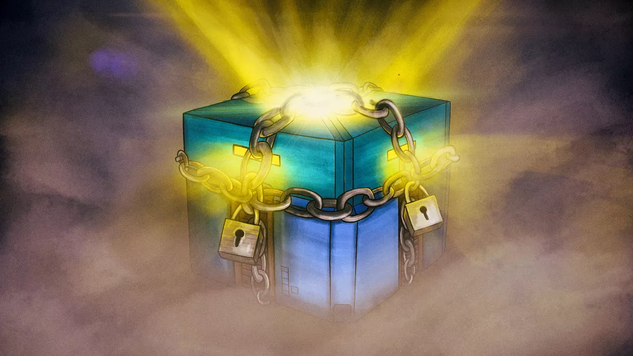
Why Warzone's Instant Loot Drops Feel So Satisfying
Picture the final circle in a Warzone match. Two squads left, the gas closing in, and a supply box sitting untouched on a rooftop. A player breaks cover, cracks the box open, and there it is — a gold-tier weapon, a self-revive, a killstreak that flips the whole fight. That half-second between the box popping and the loot appearing is pure electricity. It is the reason players keep dropping into Verdansk-style maps long after they have logged hundreds of hours. The thrill is not just the win; it is the speed at which the reward lands in your hands.
That same craving for a quick, clean payoff shows up far beyond the battlefield. When people talk about fast withdrawal casinos, they are chasing a comparable feeling — the sense that a result you earned should arrive without a long, frustrating wait. Review sites that rank the fastest-paying options in the US measure exactly how long a cashout takes, which banking methods clear quickest, how crypto stacks up against traditional transfers, and how bonus terms shape the whole experience. For someone used to instant gratification in a match, the appeal is obvious: nobody wants to celebrate a good run and then sit around wondering when the payoff will actually show up. The speed itself becomes part of the entertainment.
Why Instant Loot Feels So Good
Game designers figured out the psychology of the instant drop a long time ago. Warzone hands you loot in real time, mid-firefight, because delay would kill the tension. Compare that to a raid boss in an MMO, where the reward arrives after a long, deliberate buildup. Both work, but they scratch different itches. The Warzone model is built for immediacy — you see it, you grab it, you use it in the next ten seconds.
That immediacy triggers a genuine little spike of excitement. The brain treats a fast, unexpected upgrade as a jackpot moment, and Call of Duty leans into it hard. Loadout drops raining from the sky, supply boxes glowing on the minimap, and the rare orange-tier find are all engineered to reward speed and boldness. The faster the reward loop, the tighter the hook.
The Speed of the Payoff Matters as Much as the Prize
Ask any Warzone regular whether they would rather get a great weapon instantly or wait thirty seconds for it to unlock, and the answer is never in doubt. The value of a reward is tied to how quickly it arrives. A self-revive you can use right now is worth more than one that shows up after the fight is over.
This is where the parallel to instant cashout culture gets sharp. In both worlds, the delay between earning something and actually having it is the friction people most want to eliminate. A slow process drains the excitement out of even a great outcome. That is why speed-focused comparisons exist at all — the market has learned that people judge an experience by how fast the good part lands, not just by the size of it.
Virtual Loot Has Real Weight
Anyone who assumes in-game loot is meaningless has not watched a CS2 skin market or a Warzone bundle sell out. Digital items carry real perceived value, and researchers have taken this seriously for years. A detailed study on the economics of virtual worlds explored how loot, currency, and tradeable items inside games take on genuine worth in the minds of the people chasing them.
Warzone fits neatly into that story. The excitement around a rare drop is not really about pixels — it is about scarcity, timing, and the feeling of getting something valuable the instant it appears. Those same forces drive interest in fast, frictionless payoffs everywhere. When value is tied to speed, the delivery mechanism becomes part of the prize.
From Loot Boxes to Digital Wallets
The gaming world has been quietly training people to think in terms of digital value and instant transfers for a long time. Warzone bundles, Destiny 2 engrams, and WoW's auction economy all condition players to expect that value can be earned, moved, and cashed in quickly. That mindset carries over easily.
Newer models push it further. The rise of blockchain-based games and the study of the play-to-earn model show how far the idea of instant, verifiable digital value has traveled. Players increasingly expect that what they earn can be moved or converted without a maze of delays — the same expectation that drives interest in crypto banking and rapid cashouts. The line between "loot you love" and "value you can actually use" keeps getting thinner.
What Keeps Players Coming Back
Understanding why any of this hooks people so hard means looking at how virtual economies shape behavior. Academic work on player economies in online games has shown how the pull of a well-tuned reward loop keeps people engaged session after session. Warzone nails that loop by making every drop feel immediate and consequential.
The takeaway is simple enough. Whether it is a gold-tier weapon appearing in the final circle or a payoff arriving the moment it is earned, the excitement comes from speed. A slow reward, no matter how big, always loses a little of its shine. That is why designers of games — and the people who evaluate instant-payoff experiences of every kind — obsess over shaving seconds off the wait.
So the next time a supply box pops open at the perfect moment, notice the rush. That small burst of instant satisfaction is the same feeling driving a huge slice of modern digital entertainment. Warzone just happens to deliver it with a parachute and a killstreak.
To read the latest guides, news, and features you can visit our Call of Duty: Warzone Game Page.